Entry · Ref U1DPNKZD
Why a Modern Freight Management System Matters for Dispatch Efficiency
- Posted
- 2026-11-02
- Last amended
- 2026-11-02
- Account
- @mylunetmsfreightmanagementspot
Moving Past the Paper and Phone Era
I spent the early part of my career in a small freight brokerage where every load was tracked on a whiteboard. Dispatchers would call drivers, scribble updates on sticky notes, and cross-check rates against a binder of carrier contracts. It worked, but only if nothing went wrong. The moment a driver was late or a rate changed mid-day, the whole operation slowed to a crawl. That experience taught me something that has only become more obvious over time: a freight management system is not a luxury, it is the backbone of any operation that wants to scale without chaos.
These days, the conversation around freight management has shifted from whether to adopt software to which system actually solves the daily problems dispatchers face. The market is flooded with options, but most are just digital versions of those old whiteboards. They track data without helping you act on it. A real freight management system should cut through the noise and give you the one thing every dispatcher needs: clarity.
What a Freight Management System Actually Does
At its simplest, a freight management system centralizes all the moving parts of a load. You have the shipper, the carrier, the driver, the route, the rate, and the delivery window. That is a lot of variables to hold in your head or on a spreadsheet. A good system pulls those into one view so you can see the status of every load at a glance. But the real value comes from what happens next.
When the system can automate repetitive tasks, the dispatcher gets to focus on exceptions. Instead of manually assigning every load, the software suggests the best carrier based on lane history, equipment type, and past performance. Instead of calling to check in on a driver, the system tracks GPS data and sends an alert if the driver is off route. That shift from reactive to proactive work changes how a team operates. It is the difference between putting out fires all day and actually planning the next move.
One thing I have noticed in working with carriers and brokers is that the best systems do not try to replace the dispatcher. They augment the dispatcher. They handle the data entry and the routine checks so the human can do the negotiating, the relationship building, and the problem solving. That is where the real margin lives.
Why Dispatch Workflows Break
Most dispatch workflows break at the handoffs. The shipper sends a rate confirmation via email, the dispatcher types it into a spreadsheet, then sends a separate message to the carrier. Somewhere in that chain, a typo creeps in or an email gets missed. By the time the load is picked up, the rate or the appointment time might be wrong. That leads to disputes, late deliveries, and lost trust.
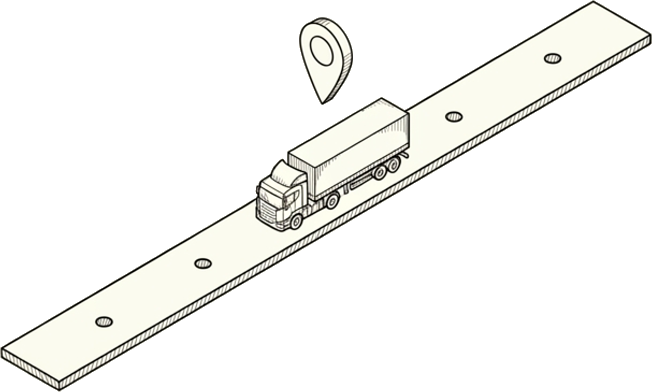
A modern freight management system eliminates those handoffs by keeping everything in one place. The shipper enters the load details once. The system assigns it to a carrier, sends the rate confirmation, and updates the tracking automatically. No copy-paste, no forwarding emails, no chasing down confirmation numbers. The dispatcher sees one dashboard with the live status of every load, and if something does not match, they get a notification immediately.
I have seen companies reduce their daily administrative work by hours just by removing those manual handoffs. That time gets reinvested into finding new customers or building better relationships with existing carriers. It is a simple shift, but it changes the economics of the entire operation.
The Role of Automation in Freight Management
Automation is a loaded word in this industry. Some people hear it and think the system will take their job. The reality is different. Automation handles the parts of dispatch that no one enjoys anyway. Searching for available carriers, checking insurance certificates, matching equipment to load requirements, sending tracking links. Those are all tasks that a computer can do faster and more accurately than a human. The dispatcher still makes the decisions. They just make them with better information.
Consider the process of finding a carrier for a load. In a traditional setup, a dispatcher might call five or six carriers, wait for callbacks, and then negotiate rates one by one. That can take an hour for a single load. With a freight management system that includes carrier matching, the system can present the best options in seconds based on the carrier's lane preferences, equipment availability, and past reliability. The dispatcher then reaches out to the top one or two and closes the deal. The same outcome, but much faster and with less effort.
That speed matters when margins are tight. A load that sits uncovered for an extra hour costs money. A system that helps you cover loads faster keeps your service levels high and your customers happy. And in a market where rates are always under pressure, service reliability is often the only thing that differentiates one broker from another.
Practical Considerations When Choosing a System
Not every freight management system is built the same. Some are designed for large enterprise fleets with dedicated IT teams. Others are built for small and mid-sized brokers who need something that works out of the box. The key is to find a system that matches the size and complexity of your operation. If you move fifty loads a week, you do not need the same tool as a company moving five hundred. But you also do not want a system that will cap out as you grow.

Another factor is integration. Does the system connect with your existing accounting software? Can it pull in data from your customers' systems? If you have to manually export and import data between tools, you are recreating the same handoff problems you were trying to solve. A good system acts as a hub, not another silo.
I have also found that the quality of support matters more than most people think. When a load is in transit and something goes wrong, you cannot wait a day for a support ticket to be answered. You need someone who can help you in minutes. That is why I always ask about response times and support channels before committing to a system.
How LuneTMS Fits Into the Picture
One system that has been getting attention in this space is LuneTMS. The lunetms freight management system is built specifically to address the kinds of dispatch bottlenecks I have described. It uses AI to automate carrier matching and load assignment, but it does so in a way that keeps the dispatcher in control. The system suggests, it does not dictate. That nuance matters because every carrier relationship is different, and no algorithm can fully capture the trust and rapport that a good dispatcher builds over years.
What I appreciate about the lunetms freight management system is that it does not try to be everything to everyone. It focuses on the dispatch workflow and does that one thing well. That focus means the interface is clean, the onboarding is fast, and the day-to-day use does not require a training manual. Dispatchers can start using it productively within a few hours, not weeks.
Another aspect worth noting is that LuneTMS treats data as a tool for the dispatcher, not just a report for management. The system surfaces trends and flags anomalies in real time, so a dispatcher can see that a particular carrier is consistently late on a certain lane and adjust future assignments accordingly. That kind of insight used to require digging through spreadsheets at the end of the month. Now it is available in the moment.
I have watched several teams adopt the lunetms freight management system and the pattern is consistent. The first week is about getting comfortable with the interface. By the second week, the dispatchers are already spending less time on administrative tasks. By the end of the first month, the operation runs smoother and the team is less stressed. That is the kind of outcome that justifies the investment.
Making the Switch Without Losing Momentum
If you are reading this and thinking about moving to a freight management system, the biggest hurdle is usually not the technology. It is the fear of disruption during the transition. No one wants to slow down a busy operation to implement new software. The good news is that a well-designed system is built to minimize that disruption. Look for a system that offers data import from spreadsheets, a guided setup process, and a support team that helps with the migration.
Start with one lane or one customer. Prove the system works on a small scale before rolling it out across the whole operation. That approach reduces risk and gives your team time to learn without pressure. Once they see the time savings, adoption becomes organic. People do not need to be convinced to use a tool that makes their job easier.
The freight industry is not going to get simpler. Rates will keep fluctuating, customer expectations will keep rising, and the number of loads to manage will keep growing. The only way to stay ahead is to use tools that let you do more with the same team. A freight management system is one of the most effective investments you can make toward that goal. And when you choose one that aligns with how your dispatchers actually work, the return on that investment shows up in every load you move.
 LinkedIn
 Facebook
 Instagram
 YouTube